


When it comes to off-grid or mobile applications, having a reliable power source is essential. That’s where the 200Ah deep cycle battery comes into play. Designed for sustained power and endurance, this battery is dependable for those looking to power their off-grid lifestyle or mobile ventures. In this blog post, we will explore the ins and outs of the 200Ah deep-cycle battery, from its basic functions to its key features, applications, and maintenance tips. Let’s dive in and discover why the 200Ah deep-cycle battery is a top choice for off-grid power needs.
Understanding the Basics of Deep-Cycle Batteries
Deep-cycle batteries are specifically engineered to provide steady power over a long period. Unlike traditional car batteries, which discharge a large amount of energy in a short burst to start an engine, deep-cycle batteries discharge more slowly, offering a consistent power output. This makes them ideal for applications with a reliable energy source for extended periods, such as powering electrical systems in RVs, marine vessels, or off-grid solar setups.
The term “deep-cycle” refers to the battery’s ability to be deeply discharged and then recharged multiple times without significant degradation of its storage capacity. This cycling capability is critical to its design, involving thicker lead plates and a robust build to withstand the stress of repeated charge and discharge cycles.
Additionally, deep-cycle batteries come in various types, including flooded lead-acid, gel, and absorbed glass mat (AGM), each with unique benefits and considerations. Understanding these basics is essential for anyone looking to incorporate a deep-cycle battery, such as the 200Ah model, into their power system, ensuring they select the right type for their specific needs and usage patterns.
The 200Ah Deep-Cycle Battery: An Overview
The 200Ah deep-cycle battery stands out as a robust energy solution designed to meet the rigorous demands of off-grid and mobile applications. Unlike standard car batteries, which provide short bursts of high energy for starting engines, the 200Ah deep-cycle battery is crafted to deliver consistent power over extended periods. This capability is essential for systems that rely on a steady power supply, such as solar power installations, RVs, and marine applications.
With a capacity of 200 ampere-hours, this battery allows users to operate a wide range of appliances and devices without the immediate need for recharging. Its construction ensures durability and resistance to the wear and tear of deep discharge cycles, making it an ideal choice for settings where reliability and longevity are critical. Furthermore, its design typically incorporates thick plates and a robust separator to withstand the stress of repeated cycling, setting it apart as a premier choice for energy storage in demanding environments.
Key Features of the 200ah Battery Deep Cycle
The 200ah battery deep cycle boasts several key features that set it apart from other power storage solutions, making it highly suitable for various demanding applications. Firstly, its high capacity of 200 ampere-hours allows for extended operation times without frequent recharging, which is critical for uninterrupted power in off-grid setups.
Its robust construction features heavy-duty plates optimized for deep discharge and recharge cycles, enhancing durability and service life. Additionally, many models come with maintenance-free operation, thanks to sealed or gel technologies, eliminating the need for regular water top-ups and minimizing the risk of acid spills.
Another significant feature is its ability to deliver stable voltage levels throughout the discharge cycle, ensuring consistent power supply to sensitive electronics and appliances. This is particularly beneficial in solar power systems and emergency backup applications where voltage stability is paramount. The battery’s design often includes built-in overcharge and deep discharge protection, further safeguarding the battery’s lifespan and performance.
Lastly, its versatility in installation positions, thanks to spill-proof designs in AGM (Absorbent Glass Mat) and gel variants, allows users to easily integrate these batteries into a variety of systems, from vertical to horizontal setups, offering greater flexibility in space-constrained environments.
Applications and Uses for the 200ah Deep Cycle Battery
The versatility of the 200ah deep cycle battery extends its utility beyond just off-grid energy solutions, catering to various applications and uses that demand reliable and sustained power. Renewable energy plays a pivotal role in solar and wind power storage, ensuring that excess energy generated during peak times is efficiently stored for later use, especially during periods of low sun or wind. For recreational vehicle (RV) enthusiasts and marine operations, it provides the essential electricity needed for lighting, refrigeration, and other critical systems, enabling extended periods of autonomy away from conventional power sources.
Additionally, it finds significant application in backup power systems for residential and commercial properties, offering peace of mind during outages by powering crucial devices and systems. Its robust design makes it an excellent choice for powering electric vehicles (EVs), including golf carts and small personal electric transporters, contributing to the growing trend of eco-friendly transportation options. Beyond these, the 200Ah deep-cycle battery supports various portable power needs, from outdoor events to emergency relief operations, illustrating its broad applicability and reliability in various settings.
Installation and Maintenance Tips
Proper installation and regular maintenance are crucial for optimizing the performance and extending the lifespan of your 200Ah deep-cycle battery. To ensure a smooth installation, always place the battery in a clean, dry, and well-ventilated area to prevent overheating and reduce the risk of corrosion. Secure the battery firmly to minimize vibrations, which can lead to internal damage over time. For maintenance, it’s essential to regularly check the battery terminals for corrosion and clean them with a solution of baking soda and water if necessary. Ensure connections remain tight and coated with an anti-corrosive spray to prevent oxidation.
For batteries requiring water top-ups, such as flooded lead-acid types, monitor the electrolyte levels monthly and replenish with distilled water only, avoiding overfilling. Regularly inspect the battery case for signs of damage or leaks, which could indicate a need for replacement. A routine check-up schedule can help catch potential issues early, preventing minor problems from becoming major ones. Adhering to these tips can significantly contribute to the reliable performance and longevity of your 200Ah deep-cycle battery, ensuring it continues to meet your power needs efficiently.
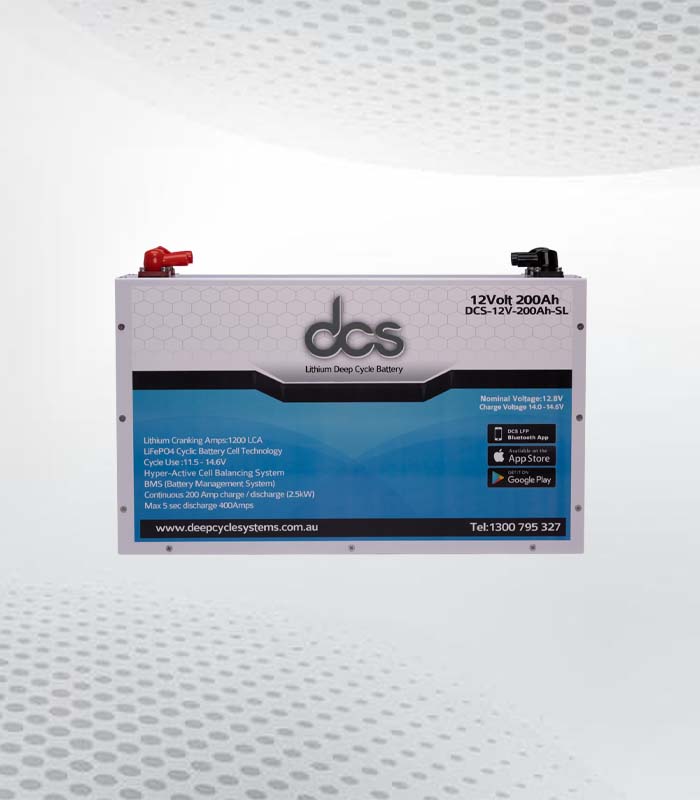 Comparing the Battery Deep Cycle 200ah with Other Power Solutions
When evaluating the battery deep cycle 200ah against other power storage solutions, it’s essential to consider several factors, including capacity, longevity, and application flexibility. For instance, Traditional car batteries may offer high power bursts for starting engines but fall short of providing the sustained energy output necessary for off-grid or continuous-use applications.
On the other hand, smaller capacity batteries may require more frequent recharging, limiting their effectiveness in scenarios where consistent power is critical. The 200Ah deep-cycle battery’s high capacity and ability to endure numerous discharge-recharge cycles without significant degradation make it superior for long-term energy solutions.
Compared to generator sets, which rely on fuel and emit noise and pollutants, the 200Ah deep-cycle battery offers a cleaner, quieter alternative with lower operational costs over time. Additionally, when placed against emerging battery technologies such as lithium-ion, the 200Ah deep-cycle battery, particularly in AGM or gel forms, may provide a more cost-effective solution with robust performance for heavy-duty applications despite lithium’s advantages in weight and efficiency. This comparison underscores the 200Ah deep-cycle battery’s position as a versatile and reliable choice for various power needs.
Maximizing the Longevity of Your 200Ah Deep-Cycle Battery
To maximize the longevity of your 200Ah deep-cycle battery, it’s crucial to adhere to best practices that go beyond routine maintenance. Start by ensuring that the battery is charged using a compatible charger that matches the battery’s specific voltage and current requirements. This prevents overcharging or undercharging, which can significantly shorten the battery’s lifespan. Implement a regular charging schedule, especially if the battery is used frequently used, to avoid deep discharges that can strain and damage the internal components.
Additionally, temperature plays a significant role in battery health; avoid exposing the battery to extreme heat or cold, as these conditions can accelerate degradation. Utilize temperature-compensated charging, if available, to adjust the charge according to ambient temperatures. Another vital practice is to ensure balanced usage among batteries if your setup involves multiple units in a bank. This involves periodically rotating their positions to promote even wear and prevent the overuse of any single battery. By diligently following these guidelines, you can significantly enhance the durability and operational efficiency of your 200Ah deep-cycle battery, securing a reliable power source for your off-grid or mobile applications for years to come.
Future Prospects: What’s Next for Deep-Cycle Battery Technology?
The horizon for deep-cycle battery technology is marked by exciting innovations to enhance efficiency, capacity, and environmental sustainability. Researchers are actively exploring new materials and chemical compositions to reduce reliance on lead and other heavy metals, potentially leading to lighter, more eco-friendly batteries.
Advancements in solid-state battery technology could revolutionize deep-cycle batteries, offering higher energy density and safety compared to current liquid electrolyte solutions. This innovation might significantly extend the lifespan and reduce the charging time, making deep-cycle batteries more suitable for a broader range of applications.
Additionally, the integration of innovative technology is on the rise, with future deep-cycle batteries expected to feature built-in monitoring systems for real-time tracking of health and performance metrics, enabling predictive maintenance and optimization of energy usage. As renewable energy adoption continues to grow, the role of deep-cycle batteries in energy storage systems will become increasingly crucial, driving further advancements in technology to meet the demand for reliable, sustainable power solutions.
The journey ahead for deep-cycle battery technology promises to refine the capabilities of these essential energy storage units and contribute significantly to the global shift towards cleaner, more sustainable energy sources.
FAQS
1. Can I use a 200Ah deep-cycle battery for my home’s energy needs?
While a 200Ah deep-cycle battery offers significant capacity for off-grid and mobile applications, relying on a single battery for an entire home’s energy needs may only be feasible if your consumption is very low. Typically, a network of batteries, alongside other energy storage solutions, is necessary to meet the full energy demands of a household, especially during peak usage periods.
2. How long does a 200Ah deep-cycle battery last on a single charge?
The duration of a 200-Ah deep-cycle battery span on a single charge varies greatly depending on the power draw of the appliances. To estimate how long the battery will last, calculate the total wattage of the devices being powered and divide the battery’s total capacity (in watt-hours) by this number. Remember, it’s best not to discharge the battery fully to ensure longevity.
3. Is special equipment required to charge a 200Ah deep-cycle battery?
A suitable charger that matches the battery’s specifications is necessary to ensure efficient charging. Using an incompatible charger can lead to improper charging, potentially damaging the battery and shortening its lifespan. It’s advisable to use an intelligent charger to adjust the charging rate based on the battery’s condition to optimize charging and prolong the battery’s life.
Making the Switch to a 200Ah Deep-Cycle Battery: What to Consider
Before transitioning to a 200Ah deep-cycle battery for your energy storage needs, evaluating several factors to ensure it aligns with your requirements is important. Firstly, assess the energy consumption of your off-grid or mobile setup. Calculate the total wattage of all devices and appliances you plan to power to determine if a 200Ah capacity meets your energy demands. Consider the space available for battery installation, as the size and weight of a 200Ah deep-cycle battery may require specific accommodations. To ensure seamless integration, consider the compatibility with your existing power system, including solar panels or generators. Additionally, reflect on the initial investment and long-term savings; while the upfront cost may be higher compared to smaller batteries or other types, the durability and cycle life of a 200Ah deep-cycle battery can offer significant savings over time.
| Other Good Articles to Read |
| Niche Blogs Connect |
| Blogs 97 |
| Blog Stitution |
| Blogs Unplugged |
| Blogs Cotch Rouge |
| Blog Signatr |
| Blog Sintonias |
| Blog Zilla |
| Consumer Forums |
| Finance Forums |
| Too Blog |
| Related Business Listings |
| Contact Directory |
| Local Business Profiles |