


In the quest for more efficient, reliable, and sustainable power sources, 100 Ah Lithium Battery is becoming increasingly significant. These powerhouses are not just revolutionising the way we think about energy storage but are also setting new benchmarks in the realms of durability, performance, and environmental responsibility.
Unpacking the Basics of 100Ah Lithium Batteries
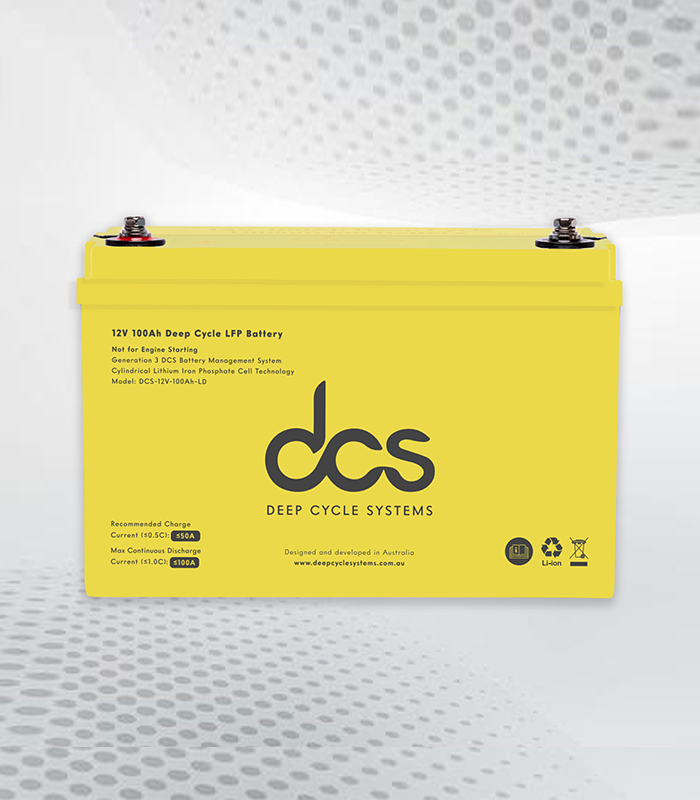
At the heart of the discussion on advanced energy storage solutions lay the 100 Ah lithium batteries. This unit, emblematic of high-capacity lithium-ion technology, has the capability to store and deliver 100 ampere-hours of electrical power.
This quantifies as the battery’s potential to discharge 100 amps of current over the duration of one hour, or alternatively, to provide a proportional amount of current over a differing period. The edge it holds over traditional lead-acid batteries is significant, thanks to its lighter weight, superior energy density, and enhanced efficiency.
These characteristics make it a formidable choice for a broad spectrum of high-demand scenarios, transcending the limitations often associated with older battery technologies. Its foundation in lithium-ion chemistry paves the way for these advanced capabilities, heralding a new era in energy storage and management.
 Addressing Common Myths and Misconceptions
There are several misconceptions about 100Ah lithium batteries that require clarification. A prevalent myth is the belief in their heightened risk of combustion. However, advancements in battery technology have significantly mitigated this concern. Modern 100Ah lithium batteries are equipped with sophisticated battery management systems that rigorously monitor battery health, ensuring safe operation under a variety of conditions.
Another common misunderstanding pertains to their cost-effectiveness. Initially, these batteries may appear more costly than traditional counterparts. Yet, when evaluating their extended lifespan and superior energy efficiency, they manifest as an economically sound choice in the long run. It’s also worth noting that concerns regarding their environmental impact are often overstated.
With ongoing improvements in recycling methods and a shift towards more sustainable material usage, the ecological footprint of lithium batteries continues to decrease. Correcting these misconceptions is crucial in fostering a more informed appreciation of the technological advancements and benefits 100Ah lithium batteries offer.
The Advantages of Opting for 100Ah Lithium Batteries
Opting for a 100 Ah lithium battery brings with it a host of benefits crucial for today’s energy demands. One of the foremost advantages is their significantly enhanced lifespan, which markedly outstrips that of traditional lead-acid batteries, ensuring a more cost-effective solution over time.
Their high depth of discharge capability is another pivotal advantage, allowing for a greater portion of the battery’s capacity to be used without detrimentally affecting its longevity or performance. This feature is particularly beneficial in scenarios where energy demands can be high and unpredictable. Additionally, these batteries showcase superior energy efficiency, with minimal power loss during charge and discharge cycles.
This efficiency translates into more of the stored energy being available for use, making them a more reliable and dependable source of power across a wide range of applications. Crucially, these advantages collectively contribute not only to the operational effectiveness of the batteries but also to their environmental sustainability, underscoring their role in powering a greener future.
Exploring the Wide Range of Applications
The versatility of 100Ah lithium batteries extends across a multitude of applications, evidencing their adaptability and capability.
These batteries are pivotal in driving the electrification of transport, notably in electric vehicles (EVs) and marine crafts, where their high energy density and efficient power delivery are essential. Beyond mobility, they are foundational to renewable energy systems, including off-grid solar setups, where their ability to store large amounts of energy is critical for ensuring consistent power supply.
In the realm of leisure and emergency preparedness, these batteries are also becoming the go-to solution for recreational vehicles, portable power stations, and backup power sources, providing peace of mind with their reliability and long-lasting performance. The breadth of their application underscores the transformative role 100Ah lithium batteries are playing across various sectors, from enhancing eco-friendly travel to bolstering renewable energy utilisation and ensuring preparedness in critical situations.
The Impact of 100Ah Lithium Batteries on Environmental Sustainability
100Ah lithium batteries contribute significantly to a more sustainable future, offering an eco-friendly alternative to traditional power storage solutions. Their extended lifespan reduces the frequency of replacement, thereby diminishing the resources needed for manufacturing and the waste generated.
Unlike their lead-acid counterparts, these batteries are free from toxic substances such as lead and sulphuric acid, minimising pollution and the risk of environmental contamination. The energy efficiency of 100Ah lithium batteries also plays a crucial role in reducing carbon footprints. By enabling more effective storage and use of renewable energy sources, they facilitate a shift away from fossil fuels, contributing to a decrease in greenhouse gas emissions.
As advancements in battery technology continue, the recyclability of lithium batteries is improving, further lessening their environmental impact. Through these attributes, 100Ah lithium batteries underscore their importance in advancing environmental sustainability, highlighting their role in fostering a cleaner, greener planet.
Maintenance Tips and Best Practices for 100ah Lithium Battery
To ensure the optimal performance and longevity of your 100ah Lithium Battery, it is imperative to adopt a regime of careful maintenance. This encompasses the avoidance of exposure to extreme temperatures, both hot and cold, which can adversely affect the battery’s health and efficiency.
It is also crucial to prevent overcharging and deep discharging, actions which can lead to a decrease in the battery’s lifecycle. Proper storage is another key consideration; when the battery is not in active use, it should be stored in a cool, dry place and maintained at a partial charge state, ideally around 50%.
Regular monitoring of the battery’s state of charge and overall health is advisable, enabling timely interventions to address any potential issues. Implementing these maintenance practices will significantly contribute to the battery’s enduring performance and reliability, ensuring that the benefits of this advanced energy storage solution can be fully realised.
Future Trends and Innovations in Lithium Battery Technology
Emerging developments in lithium battery technology herald an exciting era of enhancements and sustainability. One of the most promising avenues is the evolution towards solid-state batteries, which offer a leap in safety and energy capacity by eliminating liquid electrolytes, thereby significantly reducing the risk of leakage and combustion.
Concurrently, there’s a concerted push towards leveraging novel materials that are abundant and less harmful to the environment, aiming to curtail the dependence on critical resources like cobalt and lithium it. The exploration of bio-derived and silicon-based anodes represents a step forward in this direction, potentially increasing battery capacity and cycle life while mitigating environmental impact. Additionally, advancements in battery architecture and the integration of artificial intelligence for smarter energy management are set to amplify efficiency and durability.
These innovations, while enhancing performance, are also paving the way for greater recyclability at the end of the battery’s lifecycle, addressing one of the key concerns surrounding current lithium battery technologies. Collectively, these strides are shaping a future where lithium batteries are not only more powerful and safer but also aligned with the principles of circular economy and environmental stewardship.
100Ah Lithium Batteries: Maximising Efficiency
To optimise the efficiency of 100Ah lithium batteries within any power system, embracing advanced charging techniques is paramount. Employing intelligent charging solutions that adjust based on the battery’s condition and the energy demand can significantly enhance battery life and performance. It’s essential to consider the integration of sophisticated load management systems as well, which can dynamically allocate power where it’s needed most, thereby preventing unnecessary strain on the battery.
Additionally, the utilisation of comprehensive battery management systems plays a critical role. These systems offer real-time monitoring of vital parameters such as voltage, current, and temperature, enabling preemptive action to safeguard the battery’s health.
Through these strategic approaches, users can achieve a harmonious balance between demand and battery capability, ensuring that the substantial potential of 100Ah lithium batteries is fully harnessed, whilst simultaneously extending their operational lifespan and bolstering system reliability.
Powering Up: 100Ah Lithium Batteries and Renewable Energy
The integration of 100Ah lithium batteries into renewable energy systems marks a pivotal advancement in sustainable energy storage. These batteries stand as crucial components in capturing and storing energy generated from sources like solar panels and wind turbines.
Their exceptional capacity for storing large volumes of electricity makes them ideal for bridging gaps in energy production during periods of low sunlight or wind activity, thus maintaining a steady supply of power.
This ability to efficiently store and release energy on demand significantly enhances the reliability and effectiveness of renewable energy installations, facilitating a smoother transition towards greener, more sustainable energy grids. By acting as energy reservoirs, 100Ah lithium batteries empower renewable systems to function more autonomously, reducing reliance on conventional energy sources and moving closer to achieving energy independence.
Their role in this context is not just about storing energy but also about unlocking the full potential of renewable sources, demonstrating how modern technology can be harmoniously aligned with ecological goals.
Powering Up: Boosting Performance with 100Ah Lithium Batteries
In environments where robust performance is paramount, 100Ah lithium batteries excel, offering a compelling solution for high-intensity applications. Their high energy density and ability to maintain consistent power output under various conditions make them indispensable for a wide array of uses.
From powering electric vehicles that demand reliable, long-lasting energy sources, to serving as the backbone for high-capacity portable power stations, these batteries are engineered to meet rigorous energy requirements. Moreover, in situations where uninterrupted power is critical—such as in emergency backup systems—their dependability and endurance ensure that essential services remain operational.
The integration of 100Ah lithium batteries into these applications not only boosts performance but also contributes significantly to the efficiency and sustainability of the systems they power. Their role is increasingly crucial in a world where energy demands continue to grow and diversify, solidifying their status as a key component in the advancement of high-performance energy solutions.
FAQs
Certainly, here are three frequently asked questions about 100Ah lithium batteries that often come up:
1. Can 100Ah lithium batteries be used in series or parallel?
Yes, 100Ah lithium batteries can be connected both in series and parallel to increase voltage and capacity, respectively. However, it’s important to ensure that the batteries are of the same type and age to prevent imbalances. Using a battery management system (BMS) is highly recommended to monitor and manage the battery bank’s health and performance effectively.
2. How does temperature affect the performance of 100Ah lithium batteries?
Temperature can significantly impact the performance and lifespan of lithium batteries. While they operate optimally within a range of about 5°C to 45°C, performance can decrease in colder climates, and high temperatures can accelerate ageing. Proper installation and possibly temperature management systems are advisable in extreme conditions.
3. Are 100Ah lithium batteries recyclable?
Yes, 100Ah lithium batteries are recyclable. Despite the process being more complex than for other types of batteries, significant strides have been made in recycling technologies. This not only helps in recovering valuable materials but also in reducing the environmental footprint, aligning with global sustainability goals.
Conclusion
In synthesising the insights into 100Ah lithium batteries, it becomes clear that these units are at the forefront of a transformative shift in energy storage and management. They embody the intersection of innovation and sustainability, offering a blend of efficiency, reliability, and environmental stewardship that is unmatched by traditional battery technologies. The exploration of their basics, advantages, applications, and future trends underscores their pivotal role in powering a diverse array of sectors—from renewable energy systems to electric vehicles and beyond.
| Other Good Articles to Read |
| Skank Blogs |
| Unreal Blogs |
| Tba Blogs |
| All City Forums |
| Dany Blogs |
| Refuge Blogs |
| The Music Blogs |
| Key Forums |
| The Big Blog Theory |
| Joe Blogs |
| Blogs 4 Me |
| Blogs Emon |
| Related Business Listings |
| Directory Submissions |
| Regional Directory |